About Electrodes Sensors For PH
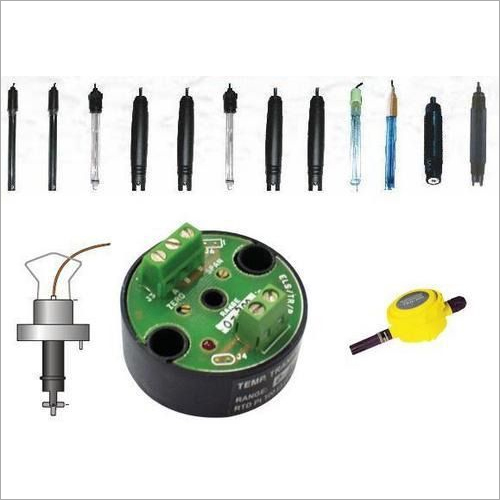
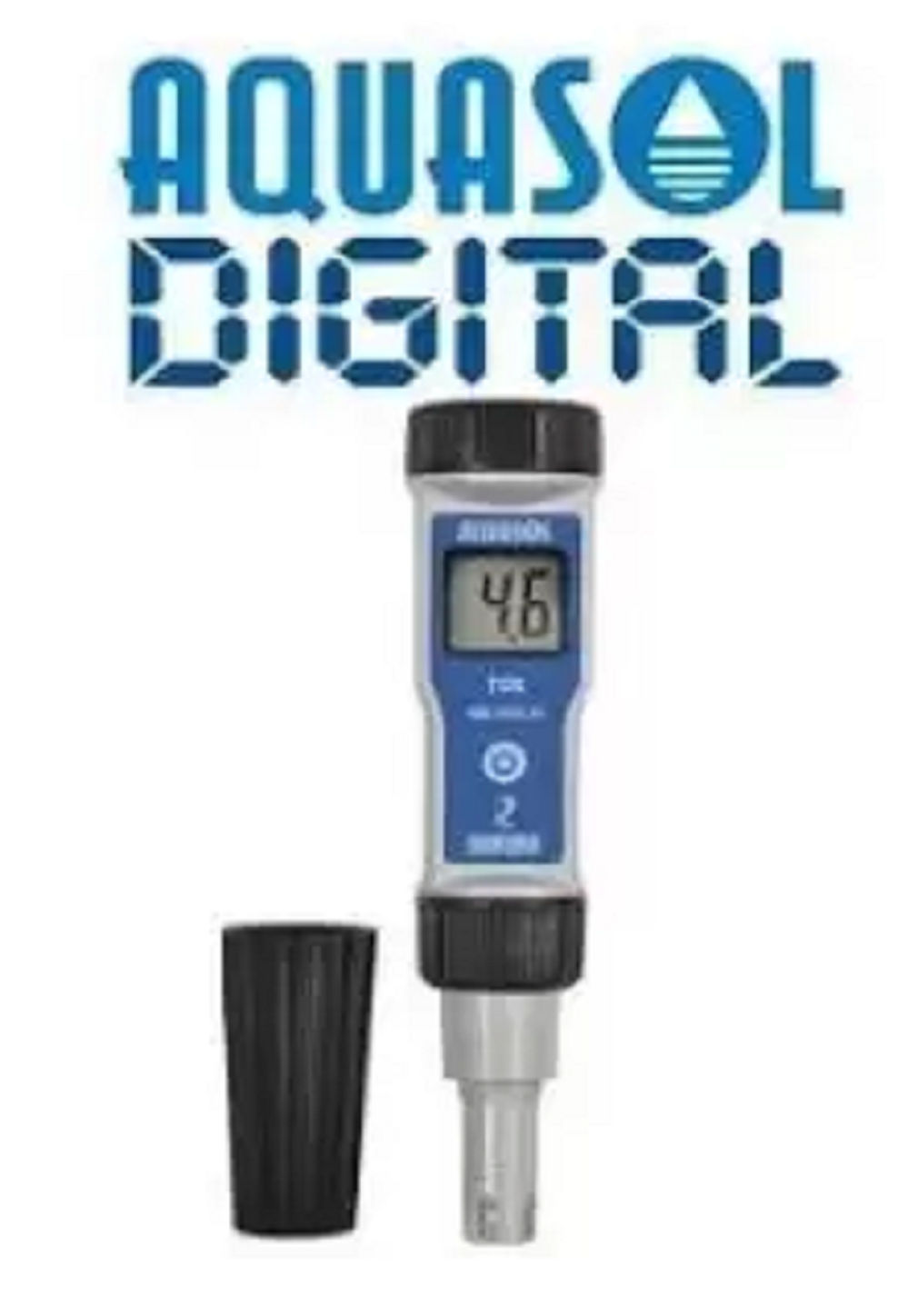
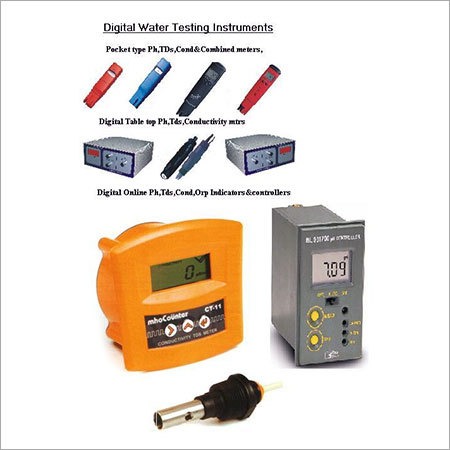
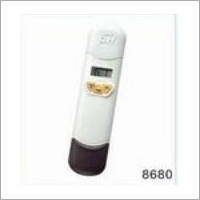
Leveraging on our experience, we manufacture and supply an extensive range of Electrodes Sensors for PH. It is manufactured using superior quality materials and the latest machine, under the guidance of skilled professionals. The product is available in different sizes and specifications as per client's requirements. These Electrodes Sensors For PH measurements are widely used in school, colleges, hospitals, and research centers.
Features:
- Quick result
- Easy to use
- Breakage free
Electrodes Sensors For PH
With profound experience, we present a large assortment of flat Electrodes Sensors For PH that is manufactured from optimum quality raw materials. Usage of high technology machines in the production adds durability and efficiency in flat panel sensors. These are widely finds its applications in various industrial sectors.
High Precision for Reliable pH MeasurementEngineered for accuracy, these electrode sensors deliver a resolution of 0.01 pH and accuracy within 0.01 pH, making them ideal for demanding laboratory analysis and fieldwork. The advanced internal reference (Ag/AgCl) and gel/KCl electrolyte ensure stable, reliable readings even through repeated use.
Versatile Applications and Robust BuildThe glass electrode and polypropylene body construction provide durability for use in various environmentsfrom laboratory experiments to continuous monitoring in aquaculture and environmental studies. With easy BNC connectivity and resistance to atmospheric pressure, the sensors can be seamlessly integrated into existing pH measurement systems.
FAQs of Electrodes Sensors For PH:
Q: How do I connect the electrode sensor to my pH meter?
A: Simply use the standard BNC connector provided on the sensor cable to attach it to your compatible pH meter. Most standard pH meters support this input type for quick installation.
Q: What is the recommended procedure for storing the electrode sensor when not in use?
A: To prolong the sensors lifespan and maintain accuracy, always store the electrode in a pH 4.0 buffer or a dedicated electrode storage solution that covers the glass bulb, preventing it from drying out.
Q: When should the sensor be calibrated?
A: Calibration should be performed before each series of measurements or at least daily when conducting regular use. Follow your meters calibration instructions, using standard buffer solutions such as pH 4.0, 7.0, and 10.0 as appropriate.
Q: Where can this sensor be used?
A: The electrode sensor is suitable for laboratory, water treatment, aquaculture, and environmental monitoring setups where precise pH measurements are required. Its construction allows for immersion or submersion in samples.
Q: What are the main benefits of this electrode sensor for pH measurement?
A: Key benefits include high accuracy (0.01 pH), fast response time (<1 minute), broad pH range (014), simple BNC connectivity, and a durable design suitable for various applications.
Q: How does the sensor measure pH levels?
A: The electrode relies on the electrochemical measurement of hydrogen ion activity; it detects voltage changes caused by hydrogen ions in the sample, translating this into a pH reading via the connected meter.





 Send Inquiry


 Send Inquiry