About Digital Soil PH Meters
Digital Soil PH Meters
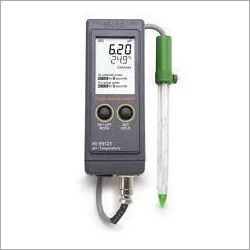
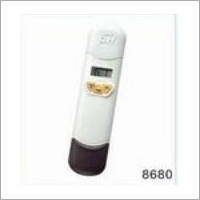
We hold expertise in offering quality Digital Soil PH Meters. Our team of highly trained professionals manufacture these instruments by making use of high-grade materials and components, procured from the leading vendors of the industry. These instruments are highly demanded by the agricultural sectors as these are used to measure the quality of the soil. These Digital Soil PH Meters are manufactured in compliance with the international quality standards and the latest technology.
Features:
- Durable
- Light-weight
- Easy to use
- Accurate reading
SPECIFICATIONS:- HI 99121
- Range : pH -2.00 to 16.00 pH
- Temperature -5.0 to 105.0oC / 23.0 to 221.0oF
- Resolution: pH 0.01 pH
- Temperature 0.1oC / 0.1oF
- Accuracy: (@20oC)
- pH +0.02 pH
- Temperature: 0.5oC (up to 60oC), +1oC (outside)
- 1.0°F (up to 140°F), ±°F (outside)
- pH Calibration
- automatic, 1 or 2 point with 2 sets of memorized buffers
- (pH 4.01/7.01/10.01 or 4.01/6.86/9.18)
- Temperature Compensation automatic, -5 to 105oC (23 to 221oF)
- pH Electrode
- HI 1292D, refillable, glass body, with internal temperature
- sensor, DIN connector and 1 m cable (included)
- Battery Type / Life
- 3 x 1.5V AA / approx. 1500 hours of continuous use;
- auto-off after 8 minutes of non-use
- Environment 0 to 50oC (32 to 122oF); RH max 100%
Ensure the optimal growth environment for your crops, gardens, or landscaped areas with this advanced digital soil pH meter. Its fast response, wide measuring range, and reliable glass electrode sensor make it ideal for routine testing and soil management.
User-Friendly OperationWith an easy-to-read backlit digital LCD, lightweight build, and simple manual calibration, this meter ensures users can perform accurate soil assessments in diverse outdoor and indoor settings. Sturdy ABS plastic construction enhances durability for regular field use.
FAQs of Digital Soil PH Meters:
Q: How do I use the digital soil pH meter for testing soil in agriculture and gardening?
A: To test soil, insert the 160 mm probe into the soil sample after calibrating the meter manually with the provided calibration solution. Wait less than 10 seconds for the backlit digital LCD to display the pH value, helping you assess soil suitability for plants.
Q: What is the process to calibrate the soil pH meter manually?
A: Manual calibration involves immersing the glass electrode sensor into a standard calibration solution, following the instructions provided by the manufacturer. Adjust the meter until the display shows the expected pH value for enhanced accuracy.
Q: When should I calibrate the soil pH meter for reliable results?
A: Calibration is recommended before each measurement session, especially if the meter has not been used for a long period or if you observe inconsistent readings. This practice maintains measurement accuracy of 0.1 pH.
Q: Where can this soil pH meter be used?
A: Designed for both indoor and outdoor environments, this standalone meter is suitable for farms, gardens, greenhouses, and landscaped areas. Its durable construction and operating temperature range of 5C to 50C allow it to perform well in various conditions.
Q: What are the benefits of using this soil pH meter over traditional test kits?
A: With a digital LCD for precise, quick readings (under 10 seconds), high resolution, and low power consumption, this meter provides more accurate data, saves time, and enhances decision-making for soil management in agriculture and landscaping.
Q: How should I store the meter to maintain its condition?
A: Store the soil pH meter in a dry place to protect the sensor and electronics. Remove the 9V battery if not in use for an extended period and clean the glass electrode after each use to ensure long-term accuracy.
Q: Can the pH meter operate continuously in the field, and what is its battery life?
A: Yes, the meter can operate for extended periods with a 9V battery, offering up to 150 hours of use on a single battery, making it suitable for frequent fieldwork without frequent replacements.





 Send Inquiry


 Send Inquiry